
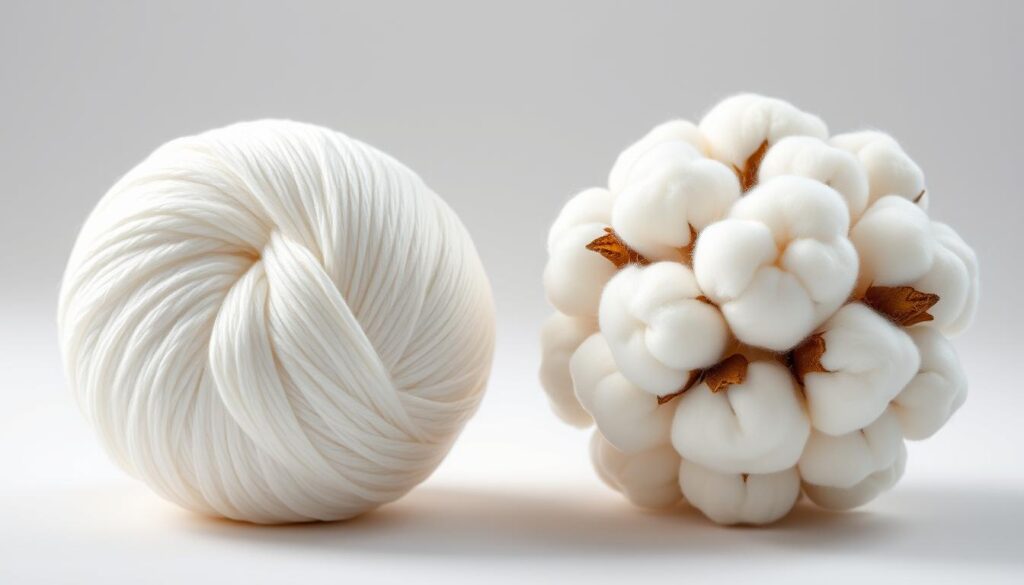
The textile world is huge, with cotton being a top pick. A big part of cotton making is ringspun and regular cotton. Knowing the difference is key for makers and buyers, as it changes how good and lasting the stuff is.
Learning about ringspun cotton and regular cotton helps when picking fabrics. Ringspinning makes cotton softer and stronger. This is because it carded and spun the fibers into yarn.
Key Takeaways
- The main difference between ringspun and regular cotton lies in the spinning process.
- Ringspun cotton is generally softer and more durable.
- The choice between ringspun and regular cotton affects the quality of the final textile product.
- Understanding these differences is key for both makers and buyers.
- The type of cotton used can change how comfy and long-lasting clothes and other textiles are.
Cotton Basics
It’s important to know the basics of cotton to see the difference between ringspun and regular cotton. Cotton is a natural fiber loved for its comfort, durability, and versatility.
What Makes Cotton a Popular Fabric
Cotton is popular because it’s breathable, soft, and long-lasting. It lets air pass through, making it comfy against your skin. Cotton’s softness is great for clothes and bedding that need to feel good.
Cotton also lasts a long time. It can handle lots of washing and wear without losing its shape. This makes it a smart choice for clothes and home items.
The Evolution of Cotton Processing
Cotton processing has changed a lot over time. It used to be done by hand, but now machines do it. Technology has made cotton production better and faster.
| Cotton Processing Method | Description | Impact on Fabric Quality |
|---|---|---|
| Traditional Hand Processing | Labor-intensive, manual processing of cotton fibers. | High-quality fabric with unique texture. |
| Modern Mechanized Processing | Mechanized processes that improve efficiency and consistency. | Consistent quality, reduced production time. |

The way cotton is processed has changed a lot. This change has helped make cotton fabrics like ringspun and regular cotton better. Knowing this helps us see why different cotton products are different.
What is Ringspun Cotton?
Ringspun cotton is famous for being soft, strong, and high-quality. It’s loved for its special making process. This makes it stand out from other cotton fabrics.
The Ringspun Manufacturing Process
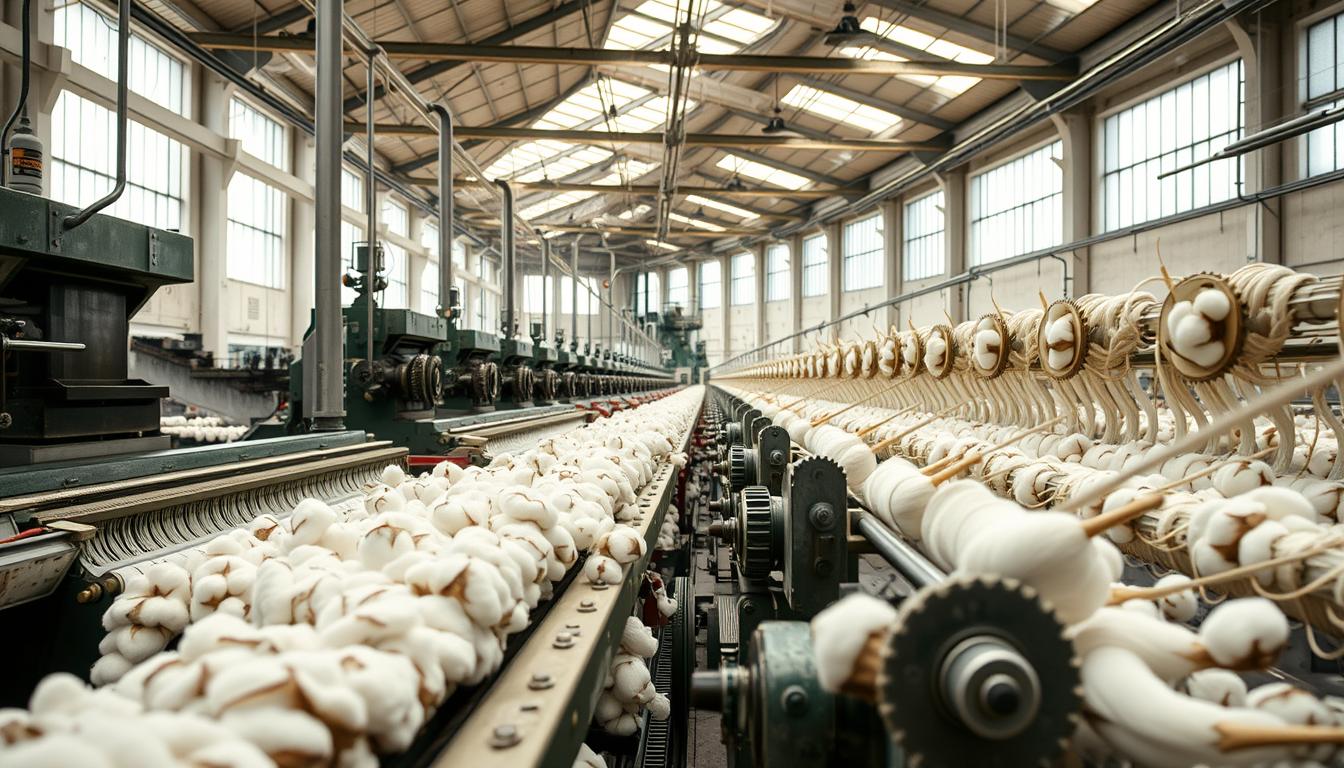
The making of ringspun cotton starts with carding. This is when fibers are lined up the same way. It’s key for making a yarn that’s both strong and thin.
Step-by-Step Production Method
The ringspun making process has a few important steps. First, raw cotton is cleaned and aligned through carding. Then, the fibers are twisted into yarn in spinning. Lastly, the yarn is wound onto spools in winding. This multi-step process ensures the production of high-quality yarn.
Equipment and Technology Used
Advanced machines are used to make ringspun cotton. These include carding machines and ring spinning frames. The technology used allows for precise control over the twisting and winding process, resulting in a superior yarn.
Key Characteristics of Ringspun Cotton
Ringspun cotton is soft, durable, and strong. Its aligned fibers make it smooth and resistant to pilling. It feels luxurious and lasts longer than carded cotton.
What is Regular Cotton?
Regular cotton is different from ringspun cotton. It’s made using a unique process. This process changes its quality and how it feels.
Open-End Spinning Explained
Open-end spinning makes yarn for regular cotton. It draws out fibers and twists them together. This method is quicker and cheaper than ringspun cotton.
Production Process Overview
The open-end spinning starts with carding. This aligns the fibers. Then, fibers are drawn out and twisted to make yarn. This fast process makes regular cotton cheaper.
Industrial Applications
Regular cotton is used in many industrial settings. It’s good for workwear, uniforms, and heavy-duty textiles. Its toughness and durability make it perfect for these jobs.
Defining Features of Regular Cotton
Regular cotton has its own special traits. It’s not as soft and might pill more. But, it’s popular because it’s affordable and lasts long.
| Characteristics | Regular Cotton | Ringspun Cotton |
|---|---|---|
| Production Method | Open-end Spinning | Ringspun |
| Softness | Less Soft | Very Soft |
| Durability | Durable | Very Durable |
| Cost | Affordable | More Expensive |

Ringspun vs Regular Cotton
Ringspun and regular cotton are different in many ways. These differences come from how they are made. This affects their quality, how long they last, and how they feel.
Core Structural Differences
The main difference is in how they are spun. Ringspun cotton is made with a special method. This makes the yarn strong and durable. Regular cotton, made another way, might not be as strong and can pill easily.
Key differences include:
- Ringspun cotton has a more compact yarn structure.
- Regular cotton may have more fiber ends exposed, potentially leading to pilling.
Fiber Arrangement Comparison
The way fibers are arranged in ringspun cotton makes it soft and strong. The fibers line up well, making the fabric smooth. Regular cotton fibers don’t line up as well. This makes the fabric a bit rougher.
| Characteristics | Ringspun Cotton | Regular Cotton |
|---|---|---|
| Fiber Alignment | Highly aligned | Less aligned |
| Durability | Higher | Lower |
| Softness | Softer | Less soft |
Choosing between ringspun and regular cotton depends on what you need. You might want softness, durability, or to save money. Knowing the differences helps you make a better choice.
Texture and Feel
The feel of cotton fabrics is very important. It affects how people like and feel about cotton products. The way cotton feels can make a big difference in how happy we are with it.

Softness Comparison
Ringspun cotton is very soft. This is because of how it’s made. The fibers are aligned, making the yarn smooth.
Regular cotton is not as soft. It’s made differently, with fibers that are not as long or aligned. This makes it a bit rougher.
Ringspun cotton is great for things like T-shirts and loungewear. It’s very comfy against the skin. Regular cotton is also comfy but not as soft. It’s also cheaper.
Surface Texture Differences
The surface of cotton fabrics can be different too. Ringspun cotton has a smooth surface because of its long, aligned fibers. This makes it feel luxurious and drape well.
Regular cotton might have a more textured surface. This is because of its irregular fiber arrangement.
- Ringspun cotton: Smooth, uniform texture
- Regular cotton: Slightly more textured surface
The texture of cotton can also change how it looks. Ringspun cotton often looks brighter and more vibrant. Regular cotton might look more matte.
Durability and Longevity Analysis
It’s key to know how long ringspun and regular cotton last. The type of cotton used affects a product’s life span.
Wear Resistance Comparison
Ringspun cotton lasts longer than regular cotton. Its fibers are aligned, making the yarn stronger. Ringspun cotton fabrics hold up better over time.
Washing and Maintenance Impact
How you wash and care for cotton matters a lot. Ringspun cotton stays good after many washes. Regular cotton might not last as long. Things like shrinkage and color fastness are important for cotton’s life.
Shrinkage Factors
Shrinkage is a big issue with cotton. Ringspun cotton shrinks less because of its tight weave. Regular cotton shrinks more, changing the garment’s fit.
Color Fastness
Color fastness means how well a fabric keeps its colors. Ringspun cotton keeps colors bright longer than regular cotton.

Ringspun cotton is a top pick for many because it’s durable and lasts long. Knowing these differences helps you choose better cotton products.
- Ringspun cotton offers superior durability and longevity.
- Regular cotton may have more shrinkage and less color fastness.
- The manufacturing process of ringspun cotton results in a stronger yarn.
Appearance and Aesthetic Qualities
Appearance matters a lot when it comes to cotton fabrics. Ringspun and regular cotton look different. This affects how they’re used in fashion and home textiles.
Visual Differences Between Fabrics
Ringspun cotton looks smoother and more shiny than regular cotton. This is because of how it’s made. Regular cotton might look a bit rougher and less even.
Ringspun cotton feels luxurious and looks great for fancy clothes and bedding. Regular cotton is better for everyday clothes and home stuff.

Print Quality and Color Retention
Print quality and color staying power also vary. Ringspun cotton’s tight weave lets ink stay bright and clear. Colors pop more and don’t fade as fast.
Textile experts say ringspun cotton is best for custom clothes and ads. It looks sharp and vibrant. Regular cotton’s open weave means prints might not be as clear or bright.
“The choice between ringspun and regular cotton often comes down to the desired aesthetic and the intended use of the fabric.”
In short, ringspun and regular cotton look and feel different. Knowing this helps pick the right fabric for each use.
Applications in Apparel and Fashion
Cotton fabrics are loved for their comfort and durability. Ringspun and regular cotton serve different needs in the fashion world.
T-shirts and Casual Wear
Ringspun cotton is great for t-shirts and casual wear. It’s soft and smooth. This makes it perfect for clothes that feel good against your skin.
Luxury and Premium Clothing
In luxury and premium clothing, ringspun cotton shines. It has a high-quality look and lasts long. Designers choose it for its ability to show off designs and colors well.
Performance and Athletic Wear
Regular cotton is used in performance and athletic wear. It’s breathable and wicks away moisture. But ringspun cotton is also becoming popular for its comfort in active wear.
Choosing between ringspun and regular cotton depends on what the garment needs. It’s about durability, comfort, and looks. Knowing the benefits of each helps everyone make better choices.
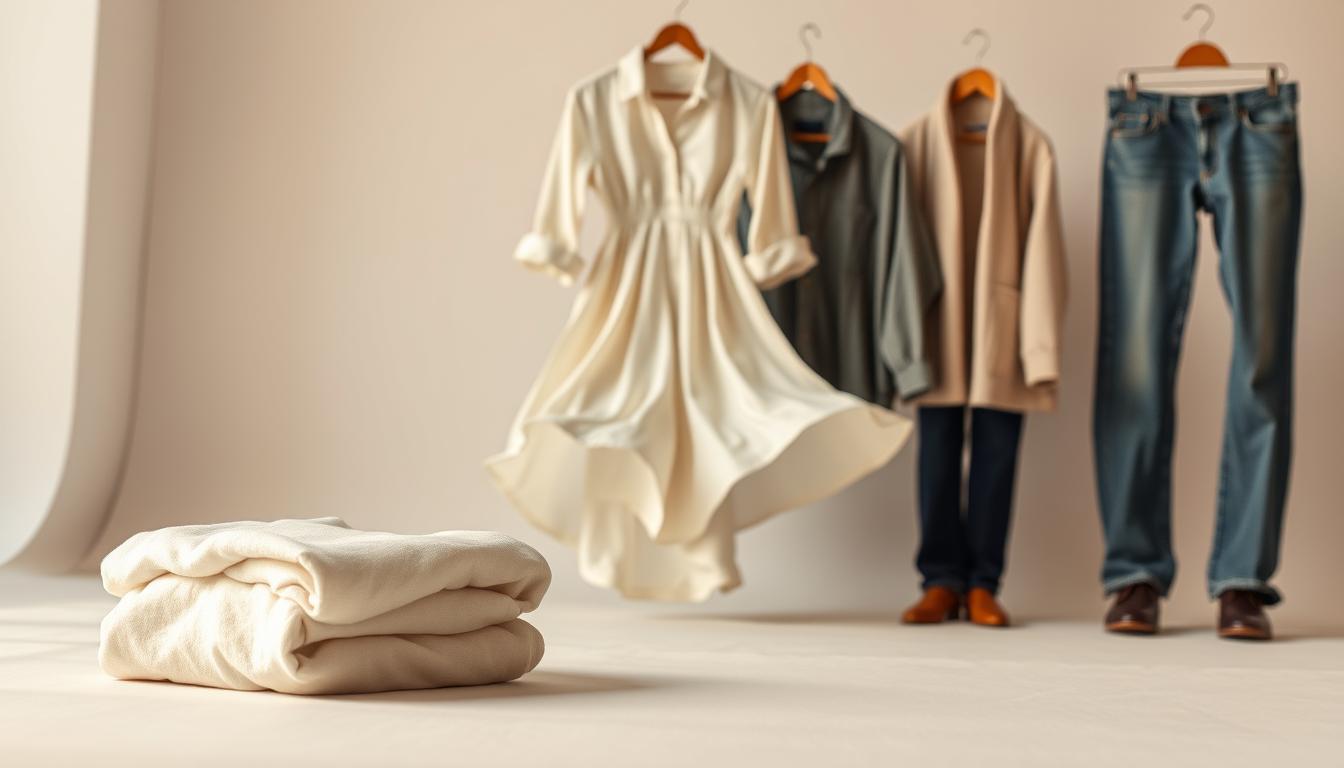
Ringspun cotton is known for its softness, durability, and color retention. These qualities make it a top pick for many. Regular cotton is also popular for being affordable and versatile.
- Ringspun cotton is ideal for t-shirts and casual wear due to its softness.
- It is also used in luxury clothing for its high-quality finish.
- Regular cotton is often used in performance wear for its breathability.
Home Textiles and Industrial Uses
Cotton is not just for clothes. It’s also key in home and industrial textiles. Ringspun and regular cotton have different uses. This affects the quality and function of these textiles.
Bedding and Towels
Bedding and towels use cotton a lot. The choice between ringspun and regular cotton matters. Ringspun cotton is softer and lasts longer, perfect for daily use.
- Ringspun Cotton: Offers superior softness and durability, ideal for luxury bedding and towels.
- Regular Cotton: More economical, suitable for everyday use, though may lack the softness and longevity of ringspun cotton.

Commercial and Industrial Applications
Cotton is also used in commercial and industrial settings. It’s in things like filters, conveyor belts, and geotextiles. The choice depends on durability, absorbency, and resistance to wear.
For industrial uses, consider:
- The need for high durability and resistance to wear.
- The importance of absorbency and moisture management.
- The possibility of special treatments to improve performance.
Cost Factors and Value Assessment
Looking at the cost of ringspun cotton versus regular cotton means checking both the first price and the long-term value. It’s key to know the money side when picking between these cottons.
Initial Purchase Price Differences
Ringspun cotton costs more at first than regular cotton. This is because making ringspun cotton is more complex. It makes a softer, more lasting fabric. This quality makes the higher start-up cost worth it for many.
Regular cotton is cheaper to buy first. But, it might not last as long or feel as good.
Long-term Value Considerations
Ringspun cotton is often better value over time. It lasts longer, so you don’t need to buy new things as often. It also feels better and looks nicer, making users happier for longer.
| Feature | Ringspun Cotton | Regular Cotton |
|---|---|---|
| Initial Cost | Higher | Lower |
| Durability | Higher | Lower |
| Comfort Level | Higher | Lower |
| Long-term Value | Higher | Lower |
Even though regular cotton is cheaper at first, ringspun cotton is better value in the long run. It’s durable and comfortable. People should think about what they need and can afford when choosing.
How to Identify Ringspun vs Regular Cotton When Shopping
It’s important to know the difference between ringspun and regular cotton. You can check labels and feel the fabric to see what you’re buying.
Label Information and Terminology
First, look at the product label. It will tell you what the fabric is made of. Look for “ringspun cotton” or “combed cotton” to spot ringspun cotton. Regular cotton might say “open-end cotton” or just “cotton.”
Physical Inspection Tips
Next, touch the fabric to feel its quality. Ringspun cotton is softer and lasts longer. It feels smoother than regular cotton.
Regular cotton feels coarser and less strong. It’s not as soft or durable as ringspun cotton. By feeling and looking at the fabric, you can tell if it’s ringspun or regular cotton.
Making the Right Choice for Your Needs
Choosing between ringspun and regular cotton is important. Ringspun cotton is softer and lasts longer. It’s great for clothes that need to be comfy and last a while.
Regular cotton is cheaper but not as soft or durable as ringspun. It can feel rougher and might not last as long.
So, what’s best for you? Ringspun cotton is top-notch for quality clothes. But, if you’re watching your budget or don’t need extreme softness, regular cotton might do.
Think about what you need before deciding. This way, you’ll pick the right cotton for your clothes, home stuff, or work needs.